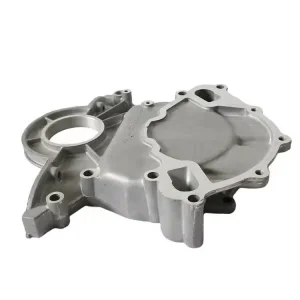
Explore our primary selection of high-pressure die cast components designed for high durability, structural integrity, and strict dimensional tolerances.
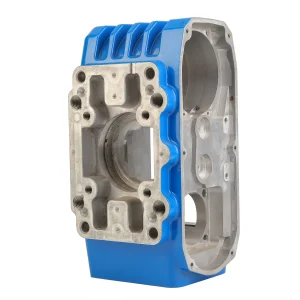
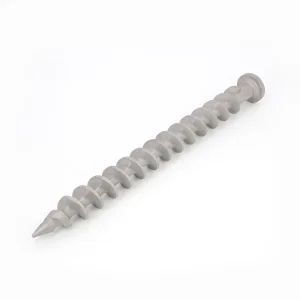
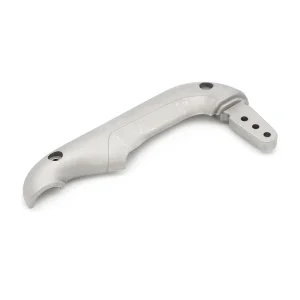
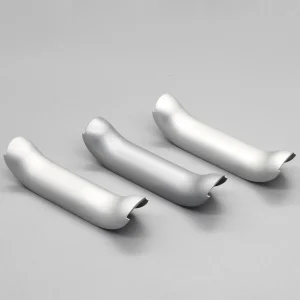
The historic industrial hub of Damascus, particularly zones like the Adra Industrial City, is undergoing a modern structural evolution. Re-establishing manufacturing independence and infrastructure networks in the Middle East has created an unprecedented demand for robust, high-performance metal hardware. In particular, sectors such as municipal water networks, electrical grid distribution, localized vehicle assembly, and light machinery manufacturing rely heavily on structural cast components.
High Pressure Die Casting (HPDC) represents the pinnacle of efficient metal fabrication for these emerging local economies. The process permits the rapid production of complex, net-shape parts with high repeatability and minimal post-machining waste. Local procurement officers in Damascus require components that can withstand extreme environmental conditions—ranging from high ambient heat to corrosive sand winds—demanding rigorous alloy selection and superior mechanical properties.
By sourcing custom-engineered aluminum, zinc, and bronze-aluminum alloys, regional enterprises can secure components optimized for thermal dissipation, structural load-bearing capacity, and wear resistance. This localized industrial growth is further supported by international manufacturing corridors, ensuring that technical expertise and state-of-the-art die casting technologies are deployed directly to meet the rebuilding and expansion requirements of the Levant region.
Understanding the core science of HPDC is critical for engineers when drafting designs. High Pressure Die Casting utilizes heavy-duty molds (dies) injected with molten metal under immense hydraulic force (ranging from 100 to over 3000 tons of clamping pressure). The molten alloy is forced into the mold cavity at velocities exceeding 40 meters per second, solidifying under pressure in a matter of milliseconds. This rapid solidification produces a dense, fine-grained dendritic microstructure, yielding superior tensile and yield strength.
| Process Type | Primary Alloys Cast | Melt Temperature Range | Ideal Applications |
|---|---|---|---|
| Cold Chamber HPDC | Aluminum Alloys (A380, ADC12), Bronze-Al, Brass | 650°C - 720°C | Engine covers, transmission housings, utility valves, structural grids |
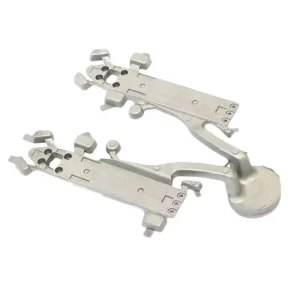
| Hot Chamber HPDC | Zinc Alloys (Zamak 3, Zamak 5), Magnesium | 420°C - 480°C | Intricate brackets, decorative covers, high-precision electronics housings |
Our metallurgical range includes the industry-standard A380 and ADC12 aluminum alloys, which offer an outstanding balance of mechanical strength, lightweight profiles, thermal conductivity, and castability. For components requiring extreme corrosion resistance or marine exposure, we employ special bronze-aluminum formulations. When thin-walled structures and complex cosmetic designs are needed, we deploy Zamak zinc alloys, allowing for highly intricate detailing and minimal wall thicknesses (down to 0.8 mm) without sacrificing part stability.
Ningbo Singer Cast Co., Ltd. is a professional die casting manufacturer specializing in aluminum, zinc, and precision metal components for a wide range of industrial applications. With years of experience in the metal manufacturing industry, the company has built a strong reputation for delivering high-quality, cost-effective solutions to global customers. Our global supply chain integration ensures that Damascus-based engineering firms and distributors receive the exact same tier-1 quality standard required by European and North American OEMs.
Singer Cast provides a comprehensive range of services, including high-pressure die casting, mold design and development, CNC machining, surface finishing, and assembly. Its products are widely used in industries such as automotive, electronics, lighting, machinery, and consumer goods, meeting diverse requirements for durability, precision, and performance.
Equipped with advanced production facilities and supported by a skilled engineering team, Ningbo Singer Cast focuses on continuous innovation and process optimization. The company ensures strict quality control at every stage of production, from raw material selection to final inspection, complying with international standards and customer specifications. Dedicated to customer satisfaction, Singer Cast offers flexible OEM/ODM services and efficient project management to support customized manufacturing needs. With a strong global supply capability, the company is committed to delivering reliable, high-precision die casting components that help clients enhance product competitiveness and achieve long-term success.
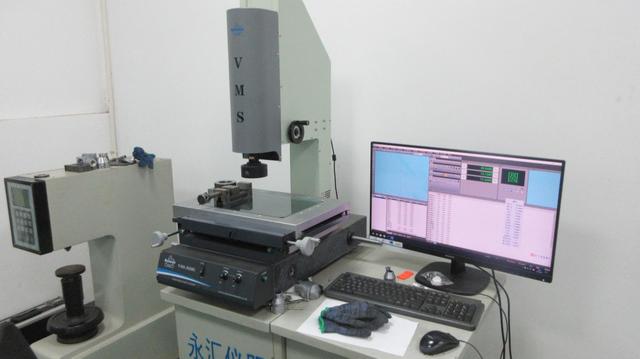
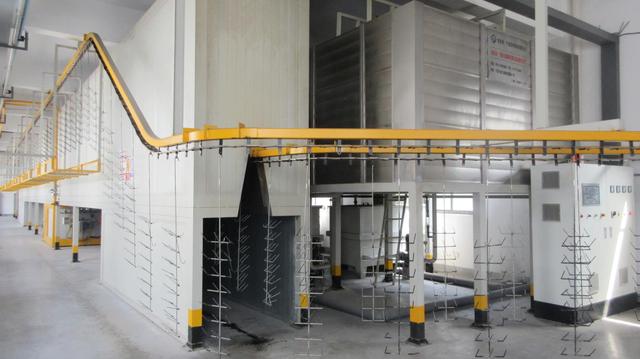
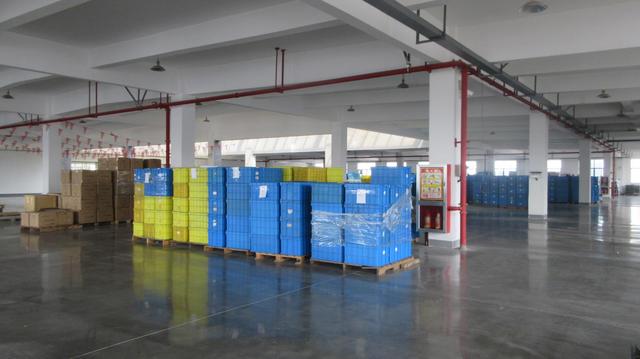
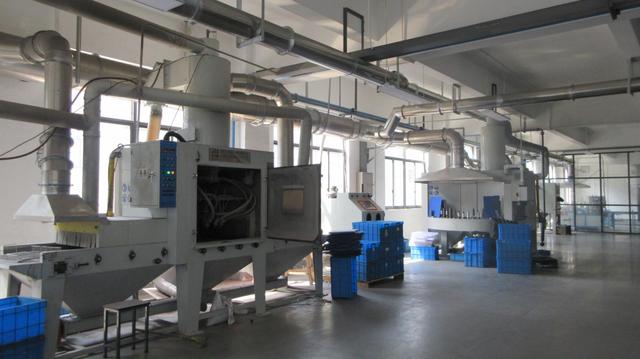
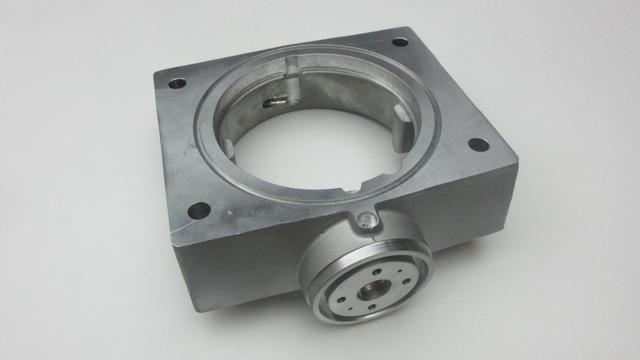
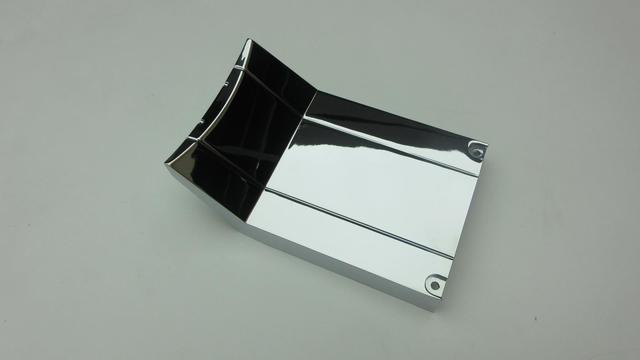
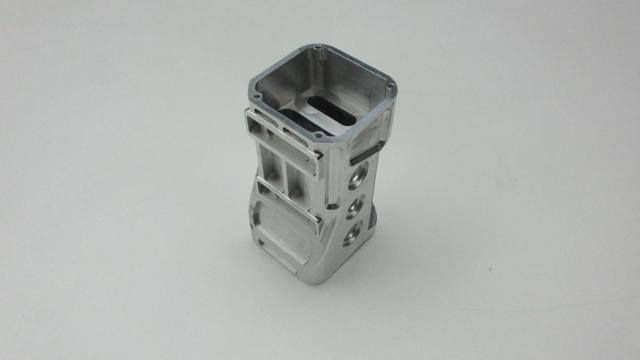
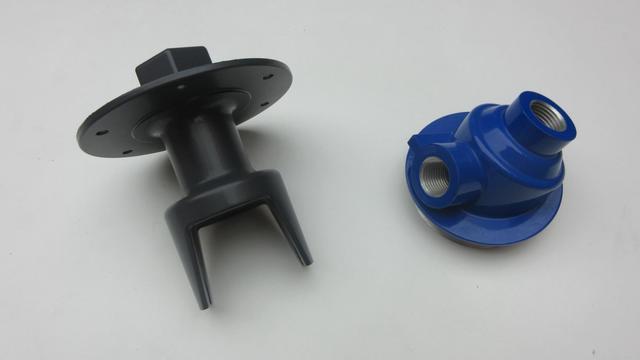
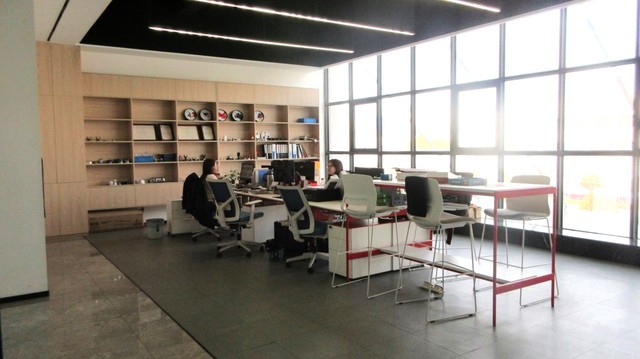
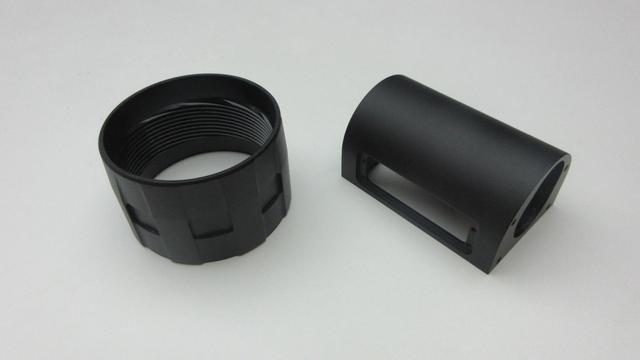
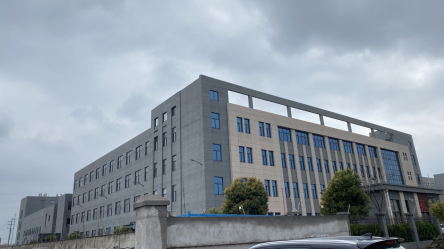
Explore our secondary collection of custom-designed molds, housings, and precision accessories engineered to support severe-duty parameters.

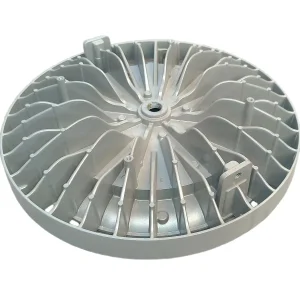
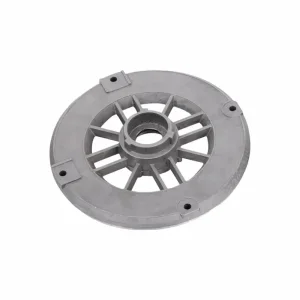
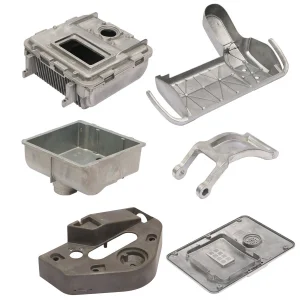
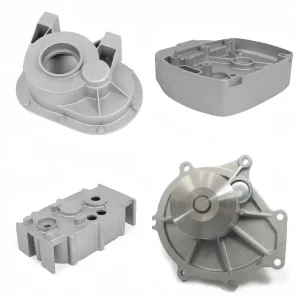
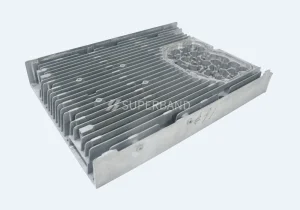
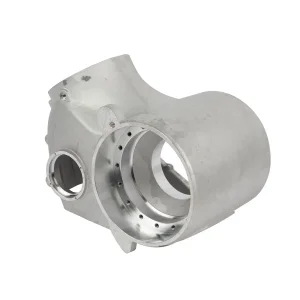
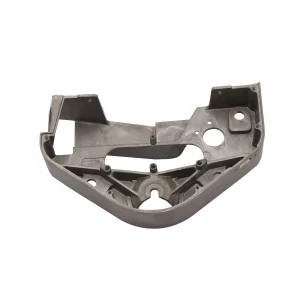
Additional custom-developed solutions engineered for deep water protection, high-voltage grids, and outdoor lighting.
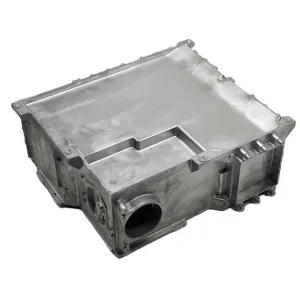
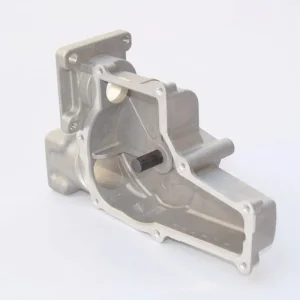
Procuring structural castings for complex systems requires meeting a high bar of mechanical integrity. Modern global supply chains demand full technical traceability from the smelter to the finished component. For manufacturers supplying components to Damascus or the broader Levant region, strict compliance protocols must be adhered to.
1. Material Certification: Raw aluminum and zinc alloys must undergo raw-melt spectral analysis. This ensures that the concentration of impurities such as lead, tin, and iron is kept within narrow thresholds, preventing micro-crack propagation and hot tearing during casting.
2. Micro-Porosity Control: Porosity is the primary enemy of high-pressure cast parts, particularly in load-bearing power housings or high-pressure valves. Using vacuum-assisted injection systems and automated temperature control channels, we systematically reduce gas and shrinkage porosity, guaranteeing hermetic tightness for oil and water channels.
3. Precision Post-Casting CNC Machining: While HPDC provides exceptional dimensional shape matching, mating surfaces often require tolerances of ±0.01 mm. Our fully integrated CNC machining centers mill, drill, tap, and turn crucial contact points directly after ejection, maintaining geometric dimensioning and tolerancing (GD&T) profiles.
4. Surface Protective Treatments: Raw castings are highly susceptible to galvanic corrosion when exposed to outdoor settings. Our facility offers multiple passivation and barrier coatings, including sandblasting, electro-coating (E-Coating), powder coating, and chrome-free chemical conversion coatings to ensure parts remain durable over years of active deployment.
A380 and ADC12 are structurally similar but differ slightly in composition. A380 is more prevalent in the Americas, offering slightly better mechanical performance under impact, while ADC12 is the standard in Asian markets, featuring slightly higher silicon content which translates to superior fluid flow and easier mold-filling properties for intricate structural shapes.
Porosity is managed through mold flow simulation (MAGMAflow), optimized venting designs, and the use of vacuum valves during injection. Additionally, maintaining tight control over alloy melt temperatures and deploying squeeze-pin pins in thicker walls prevents air entrainment and shrinkage cavities.
For aluminum castings, an H13 steel mold typically lasts between 80,000 to 150,000 cycles before requiring thermal fatigue refurbishment. For zinc alloys, which melt at lower temperatures, mold life can easily exceed 500,000 to 1,000,000 cycles.
Yes, we provide flexible OEM/ODM manufacturing. We accept standard industrial drawings (.STEP, .IGS, DWG) and coordinate raw logistics, customs clearance documentations, and quality check certificates (SGS, RoHS) to guarantee smooth import integration.
Partner with Ningbo Singer Cast Co., Ltd. for top-tier HPDC molds, custom precision parts, and comprehensive design support tailored to regional industrial specifications.
Send Inquiry Now Singer Cast