How to Improve Efficiency in Manufacturing Processes in 2026?

Time:2026-08-17 Author:Henry
0%

In the rapidly evolving landscape of manufacturing, understanding how to improve efficiency in manufacturing processes is crucial for staying competitive. As we approach 2026, new technologies and methodologies are emerging. However, it's essential to critically assess their real impact on production efficiency. Not every innovation delivers the expected results or integrates smoothly into existing systems.

Manufacturers face unique challenges, including resource management and workforce dynamics. Striking a balance between automation and human input can be complex. Furthermore, investing in the latest equipment might not always yield immediate benefits. Often, organizations must rethink their approach rather than simply adopt new tools. Continuous reflection on current practices can lead to incremental improvements that significantly enhance overall productivity.

A successful efficiency strategy requires commitment and flexibility. Companies must embrace an iterative process, experimenting with different solutions. This mindset allows for adjustments in response to real-time feedback and performance metrics. By fostering a culture of continuous improvement, manufacturers can better navigate the complexities of today's marketplace while ensuring that they genuinely enhance efficiency.
How to Improve Efficiency in Manufacturing Processes in 2026?

Strategies for Implementing Automation in Manufacturing Processes

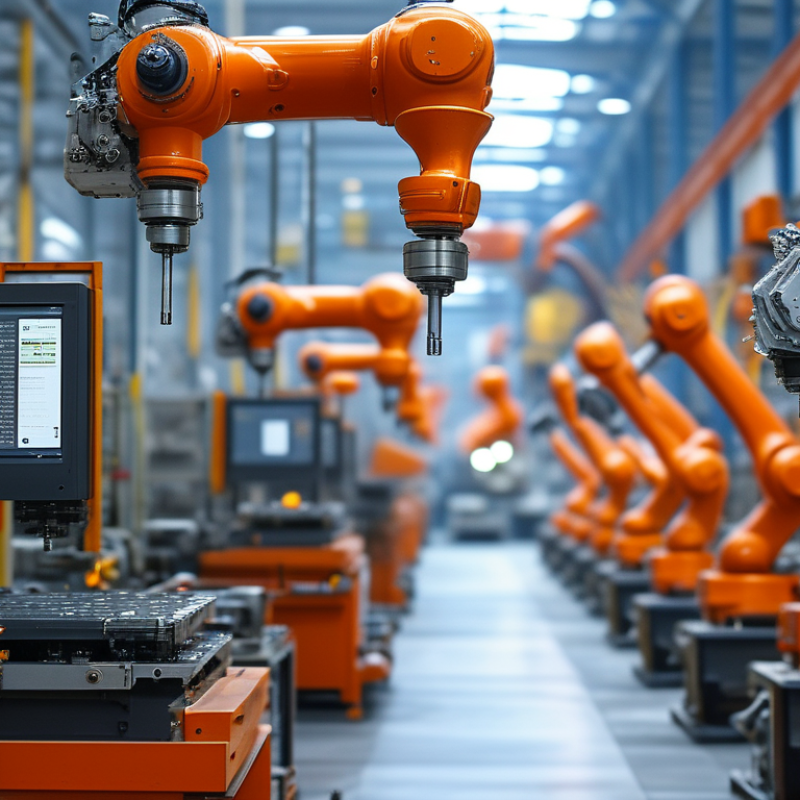
Implementing automation in manufacturing processes is essential for improving efficiency. One effective strategy involves the integration of advanced robotics. Robotic arms can handle repetitive tasks with precision and speed. This minimizes human error and boosts production rates. However, relying solely on robots may lead to a lack of flexibility. Machines may struggle with unconventional tasks or adjustments.


Another critical approach is utilizing data analytics. Monitoring machine performance in real-time provides valuable insights. Manufacturers can identify bottlenecks and optimize workflows accordingly. Yet, there exists a risk of over-reliance on data. Raw data can sometimes mislead decision-making. Balancing data insights with human intuition is vital.


Training staff to work alongside automated systems is equally important. Employees need to adapt to new technologies and workflows. Ongoing education can foster collaboration between man and machine. Nevertheless, this transition may face resistance from workers. Addressing their concerns is crucial for successful implementation.

Leveraging Data Analytics for Real-Time Process Optimization

Data analytics is transforming manufacturing by enabling real-time process optimization. In 2026, companies leveraging these insights can witness significant efficiency gains. According to a report by McKinsey, organizations using advanced analytics in production have improved their operational efficiency by up to 25%. This is crucial as manufacturers seek to lower costs and improve output.

Implementing data analytics can be a complex task. However, there are strategies to simplify this. First, invest in training for staff to understand data interpretation. Many organizations face challenges due to a lack of skilled personnel. Utilizing easy-to-understand dashboards can help teams visualize data trends quickly.

Tips: Start small with one process. Monitor improvements closely and expand as needed. Collaborate with analytics experts. They can provide insights tailored to your unique challenges. Making adjustments based on data can lead to unexpected improvements, yet reliance on data can sometimes create blind spots. Manufacturers should balance data-driven decisions with human intuition to find the best solutions.

Manufacturing Efficiency Improvement Metrics (2026)

This chart illustrates the factors influencing manufacturing efficiency in 2026, focusing on the impact of data analytics on process optimization. The metrics demonstrate the percentage improvement in efficiency from various data-driven initiatives.

Integrating IoT Technologies for Enhanced Operational Efficiency

Integrating IoT technologies into manufacturing processes can lead to significant improvements in operational efficiency. IoT devices collect real-time data from machinery, enabling better monitoring of production lines. With constant data flow, manufacturers can identify bottlenecks and inefficiencies. This information allows for timely adjustments, enhancing overall productivity.

Consider a sensor attached to a machine, tracking its performance. If the sensor detects unusual vibrations, it can alert technicians before a breakdown occurs. This proactive approach reduces downtime, a key factor in maintaining efficiency. However, the challenge lies in integrating these technologies seamlessly into existing systems. Not all machines are IoT-ready, and retrofitting can be costly.

Training staff is equally crucial. Employees must understand how to utilize the data effectively. Without proper training, the technology's benefits may remain untapped. Continuous evaluation and adaptation of strategies will be necessary as the manufacturing landscape evolves. Embracing IoT is not just about technology; it's about fostering a culture of innovation and improvement within teams.

Adopting Lean Manufacturing Principles to Reduce Waste

In 2026, improving efficiency in manufacturing processes requires a focus on lean manufacturing principles. This approach emphasizes minimizing waste without sacrificing productivity. Identifying areas that produce excess waste is a critical step. For instance, an assembly line can often have unnecessary steps that slow down throughput. An audit of these steps can reveal opportunities for improvement.

Implementing lean techniques like 5S can significantly enhance workplace organization. This method promotes cleaning and organizing workstations, leading to better efficiency. However, simply applying these principles isn’t enough. Continuous reflection on processes is essential to ensure they remain efficient. Employees must feel empowered to suggest changes, fostering a proactive improvement culture.

Training staff on lean principles is vital but often overlooked. Some workers may resist new methods due to comfort with existing practices. This resistance can hinder progress. Ongoing education and open lines of communication can help address these challenges. Engaging the workforce in the lean journey is crucial for lasting change.

Training Workforce on Advanced Technologies for Improved Productivity

In 2026, the manufacturing industry faces a critical need to enhance workforce training on advanced technologies. With a projected growth of 4.6% in global manufacturing productivity, companies must adapt quickly. A recent report by McKinsey highlights that companies that invest in training their employees can boost productivity by up to 40%. This statistic is compelling and demonstrates the importance of equipping workers with the right skills.

Customized training programs focusing on automation, AI, and data analytics are essential. Many employees currently lack the confidence to operate new technologies effectively, limiting their potential contributions. A survey indicated that 70% of workers feel unprepared for the future of manufacturing. This gap presents a clear need for targeted educational initiatives. Companies could collaborate with educational institutions to develop specialized curriculums tailored to the unique technologies of their operations.

Investing in technology is vital, but failing to train the workforce is a missed opportunity. An analysis by Deloitte reveals that more than 50% of manufacturing firms cite skills shortages as a barrier to growth. As the landscape evolves, companies must address these challenges proactively. Enhanced training programs not only improve productivity but also foster a culture of continuous improvement and innovation.

FAQS

: What benefits can data analytics bring to manufacturing?

: Data analytics can improve operational efficiency by up to 25%. This helps reduce costs and increase output.

How can companies simplify implementing data analytics?

Start with staff training to interpret data. Easy dashboards can help visualize trends quickly.

What should manufacturers focus on when integrating IoT technologies?

IoT devices provide real-time data, identifying bottlenecks and enabling timely adjustments.

Why is staff training important in using IoT technologies?

Without proper training, the potential benefits of IoT may go untapped. Staff need to utilize data effectively.

What is a key principle of lean manufacturing?

Lean manufacturing aims to minimize waste while maintaining productivity. Identify and eliminate excess waste.

How can a culture of improvement be fostered in the workplace?

Employees should feel empowered to suggest changes. Engaging them in the lean process is crucial.

What challenges might arise when implementing lean principles?

Some workers may resist new methods. Comfort with current practices can slow progress.

How can manufacturers continuously improve efficiency?

Regular evaluation and reflection on processes help maintain effectiveness. Adjust strategies as needed.

What happens if reliance on data is too strong?

It may create blind spots. Balancing data-driven decisions with human intuition is necessary.

What is the significance of continuous adaptation in manufacturing?

The manufacturing landscape evolves. Adapting strategies ensures that companies stay efficient and competitive.

Conclusion

In the quest to understand how to improve efficiency in manufacturing processes in 2026, several strategic approaches can be implemented. First, incorporating automation into manufacturing processes allows for streamlined operations, reducing manual errors and increasing output. Additionally, leveraging data analytics enables real-time process optimization, which helps identify bottlenecks and enhance productivity. The integration of IoT technologies further enhances operational efficiency by providing comprehensive insights into equipment performance and maintenance needs.

Moreover, adopting lean manufacturing principles can significantly reduce waste, ensuring that resources are utilized effectively. Finally, prioritizing workforce training on advanced technologies equips employees with the necessary skills to adapt to evolving methodologies, ultimately leading to improved productivity. By focusing on these strategies, manufacturers can significantly boost efficiency and remain competitive in the ever-evolving market landscape.

Henry

Henry

Henry is a dedicated marketing professional with a profound expertise in the company's offerings. With years of experience in the industry, he possesses an impressive understanding of the market dynamics and consumer behaviors that drive success. Henry is committed to sharing his insights through......