Choosing a metal surface treatment is rarely a cosmetic decision. It affects corrosion resistance, wear life, appearance, cleanability, and total maintenance cost. The right finish can keep a steel bracket intact beside a wet loading dock, while the wrong one may blister within months.
This guide explains what surface treatments are used for metal parts through seven practical tips. It considers plating, anodizing, powder coating, painting, passivation, polishing, and conversion coatings. Each process behaves differently on aluminum, stainless steel, carbon steel, and zinc alloys. Material composition matters. So do surface preparation, coating thickness, operating temperature, and exposure to chemicals.
Experienced manufacturers usually begin with the working environment, not the preferred color. They check salt spray risk, friction points, assembly tolerances, and cleaning methods. They also review technical data sheets and test representative parts before approving production. Small details matter, such as masked threads or a rough edge under a coating.
No treatment is perfect. A durable coating can still fail after poor cleaning. A bright finish may hide early corrosion. Even reputable suppliers can make assumptions that need verification. That is why the following tips connect professional practice with measurable inspection steps, realistic service conditions, and informed supplier discussions. They are useful for product designers, engineers, purchasing teams, and anyone comparing finishing options. Results can vary. Careful testing remains essential.
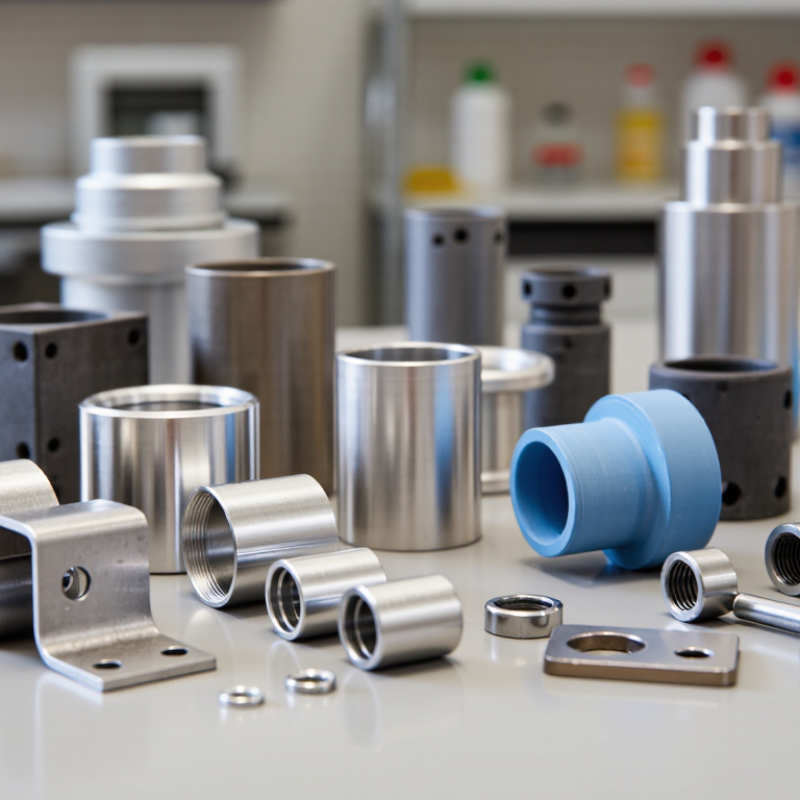
7 Tips What Surface Treatments Are Used for Metal Parts?
What Metal Surface Treatments Are and Why They Matter
Metal surface treatments do more than improve appearance. They control corrosion, friction, wear, cleanliness, and coating adhesion. In production work, I have seen a polished part fail because its edges remained sharp and unprotected. Tip 1: Remove burrs before coating. Tip 2: Clean oil and oxides thoroughly. Blasting, tumbling, or precision degreasing can prepare the surface, but each method changes its texture.
Tip 3: Choose passivation for suitable stainless steel parts. It strengthens the natural protective oxide layer without adding a thick film. Tip 4: Use anodizing when aluminum needs better wear resistance and color stability. Tip 5: Consider plating when conductivity, hardness, or corrosion protection matters. Thickness must be checked, especially around holes and threads. Small dimensional changes can cause expensive assembly problems.
Tip 6: Apply powder coating or liquid paint when broad coverage and visual consistency are important. Mask contact areas carefully. Tip 7: Test the treatment with practical evidence, not appearance alone. Check adhesion, coating thickness, salt exposure, and part fit when relevant. A shiny surface can still be weak. Treatment selection depends on the alloy, service environment, temperature, and handling conditions. Specifications should be reviewed with the processor and inspected against measurable requirements. I still find that no finish is perfect; a harder coating may reduce wear yet create cracking at sharp corners. That trade-off deserves attention before production begins.
| Surface Treatment | Common Compatible Metals | Primary Functions | Typical Coating or Layer | Appearance | Key Advantages | Important Considerations | Typical Applications |
|---|---|---|---|---|---|---|---|
| Anodizing | Aluminum and its alloys; also used for titanium in specialized applications | Improves corrosion resistance, surface hardness, wear resistance, and colorability | Porous aluminum oxide layer; sealing may follow | Clear, metallic, or dyed colors; matte or bright depending on preparation | Good corrosion protection with low dimensional change and strong visual consistency | Color can vary by alloy and batch; sealed surfaces may have lower dye absorption | Electronic housings, machine components, architectural parts, and consumer products |
| Electroplating | Steel, stainless steel, copper, brass, aluminum with suitable pretreatment | Provides corrosion protection, conductivity, solderability, wear resistance, or decorative value | Deposited metal such as nickel, zinc, copper, tin, or chromium | Bright, satin, matte, or metallic depending on the plating system | Can deliver functional properties and controlled surface thickness | Requires thorough cleaning; hydrogen embrittlement risks must be assessed for susceptible high-strength steels | Fasteners, electrical contacts, connectors, fittings, and wear surfaces |
| Powder Coating | Steel, galvanized steel, aluminum, and other conductive metals | Protects against corrosion, impact, abrasion, and weathering while adding color | Thermoset or thermoplastic powder film, commonly cured by heat | Wide range of colors and textures; gloss levels include matte to high gloss | Durable, uniform finish with little or no solvent emission during application | Requires suitable oven curing; coating thickness can affect tight fits and threaded features | Frames, brackets, enclosures, furniture, appliances, and outdoor equipment |
| Electroless Nickel Plating | Steel, stainless steel, aluminum, copper, and selected alloys after activation | Enhances corrosion resistance, hardness, wear resistance, and dimensional uniformity | Autocatalytically deposited nickel alloy, often containing phosphorus | Uniform silver-gray finish; can be polished or heat-treated | Provides relatively even coverage on complex shapes and internal surfaces | Bath control is important; heat treatment may improve hardness but can affect dimensions or properties | Valves, molds, hydraulic components, precision parts, and industrial tooling |
| Black Oxide | Carbon steel, alloy steel, stainless steel, copper, and selected copper alloys | Reduces glare, provides mild corrosion resistance, and supports appearance or dimensional control | Thin conversion layer, commonly magnetite on ferrous steel; oil or wax is often added | Uniform black or dark charcoal appearance | Minimal dimensional change and low cost for suitable components | Protection is limited without a supplementary oil or sealant; not ideal for severe outdoor exposure | Tools, screws, firearms components, machinery parts, and precision assemblies |
| Phosphate Coating | Carbon steel and low-alloy steel; zinc phosphate is also used on some metal substrates | Improves paint adhesion, supports oil retention, reduces friction, and provides temporary corrosion protection | Crystalline phosphate conversion layer, commonly iron or zinc phosphate | Gray, dark gray, or crystalline matte surface | Creates a good base for paint and lubricants with relatively low process cost | Usually needs oil, paint, or another topcoat for long-term corrosion protection | Automotive components, fasteners, military hardware, and painted steel assemblies |
| Passivation | Stainless steel and selected corrosion-resistant alloys | Removes free iron and promotes a more consistent chromium-rich passive surface | Very thin chemically enhanced passive oxide film; it is not a conventional plated coating | Retains the original metallic finish, whether bright, satin, or matte | Improves corrosion resistance without significantly changing dimensions or appearance | Does not repair scratches, remove scale, or replace electropolishing; cleaning and rinsing quality are critical | Medical devices, food-processing equipment, laboratory hardware, and precision stainless-steel parts |
Selection tip: Choose a treatment according to the base metal, required corrosion and wear resistance, operating environment, dimensional tolerance, appearance, production volume, and applicable safety requirements.
Start with the base metal and working environment. Check corrosion, friction, temperature, electrical contact, dimensions, and budget. Appearance comes later.
Anodizing can improve wear resistance and provide controlled color. It may not solve every problem. Check thickness and fit around holes.
Zinc plating, conversion coatings, powder coatings, and thermal spray systems are common choices. Outdoor steel may need sacrificial corrosion protection.
Salt, humidity, chemicals, heat, and friction can change treatment performance. A laboratory result may not predict field life accurately.
Yes. Coatings can reduce hole clearance and alter thread or sliding fits. Measure critical areas before production.
Use a cross-cut check, pull test, or wear trial suited to the part. Poor cleaning can defeat a strong coating. Preparation matters.
Record surface roughness, coating thickness, adhesion results, batch details, and inspection locations. Check edges, holes, recesses, and flat surfaces.
Rinse away salt deposits, dry trapped moisture, and repair damaged areas early. Watch for blistering, pinholes, white corrosion, or exposed base metal.
Review the safety data sheet for cleaners, abrasives, paints, and curing agents. Control dust and fumes with ventilation and suitable protection. Records help, but they cannot replace safe procedures.
Metal surface treatments improve the performance, durability, and appearance of metal parts by protecting them from corrosion, wear, friction, oxidation, and environmental exposure. Understanding what surface treatments are used for metal parts is essential when selecting the right option for a specific application. The best choice depends on the part’s material, operating temperature, contact conditions, required appearance, production volume, and expected service life.
Practical selection tips include defining the main performance goal, checking material compatibility, considering dimensional requirements, comparing cost and processing time, and confirming environmental and safety needs. Common methods include painting, powder coating, plating, anodizing, passivation, heat treatment, and polishing, each offering different advantages. Quality checks should verify coating thickness, adhesion, uniformity, hardness, and corrosion resistance. Proper cleaning, inspection, storage, and maintenance can extend treatment performance, while safe handling and controlled processing help protect workers and the surrounding environment.

 Singer Cast